
Winter Warning in Canada: How to Prevent Frozen Pipes and Costly Water Damage
During winter in Canada, water pipes located in homes, basements, garages, or outdoor areas can freeze. As the water inside the pipes freezes and expands, the resulting pressure can cause the pipes to crack or burst. This damage is often only discovered once the ice melts and water begins to leak, leading to destruction of floors, walls, and furnishings, as well as costly repairs.
To mitigate risks during the winter, the City of Toronto advises homeowners and residents to take proactive steps to protect their plumbing systems before temperatures drop significantly.
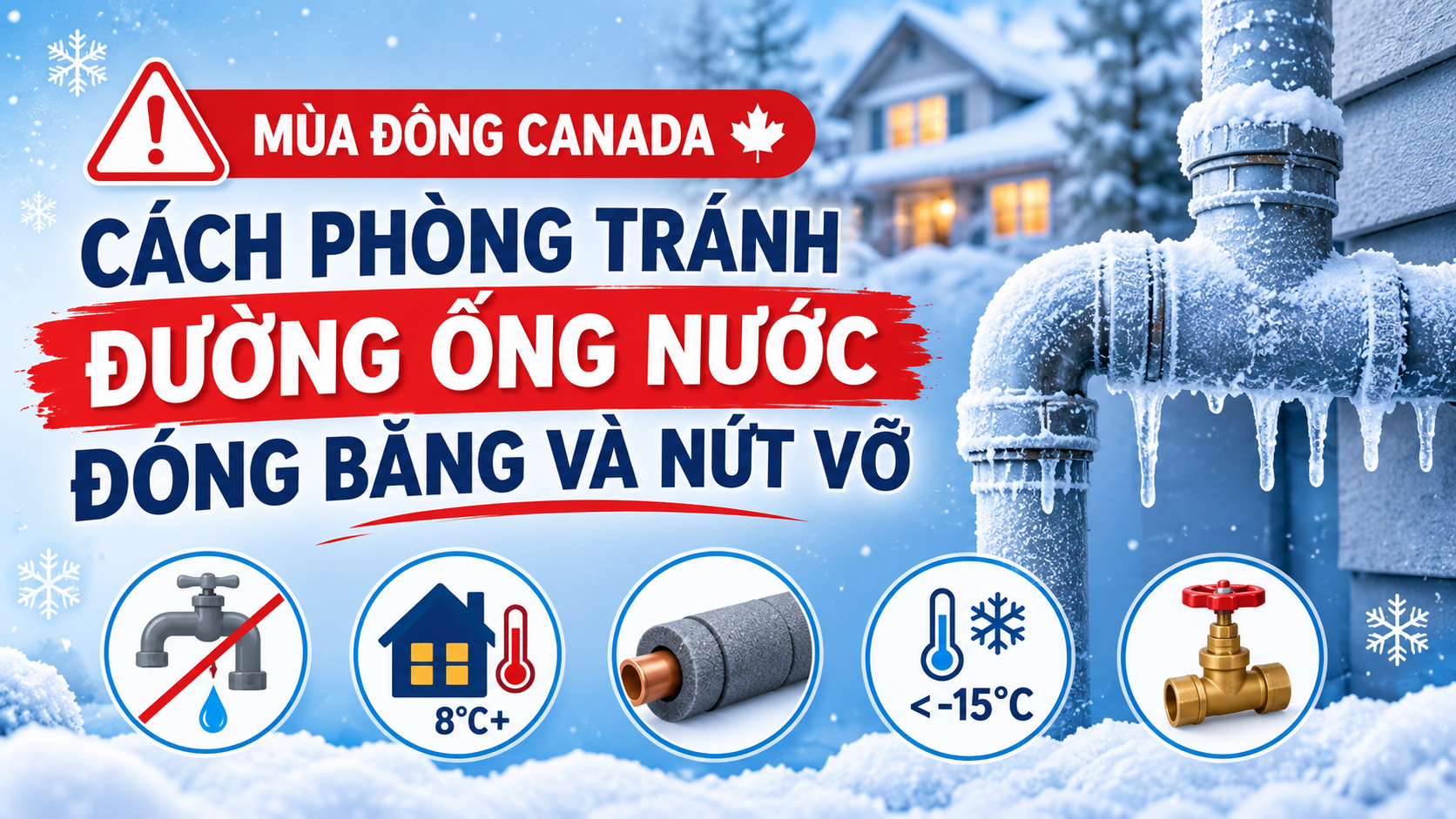
5 ways to protect water pipes during a Canadian winter
1. Turn off the water supply and drain the outdoor faucet
Before freezing weather arrives, shut off the water supply to outdoor faucets, disconnect garden hoses, and drain any remaining water to prevent it from freezing inside the pipes.
2. Maintain a stable indoor temperature
Do not turn off the heating system during very cold weather, even when you are away from home. Pay special attention to the basement and areas where water pipes are located; the temperature in these spaces should be kept above 8°C to reduce the risk of freezing.
3. Insulate pipes that are susceptible to damage
Pipes located in garages, basements, near exterior walls, or in areas that are poorly heated or frequently exposed to cold air should be wrapped with suitable insulation material.
4. Precautions when the temperature drops below −15°C
During periods of intense cold, pipes at high risk of freezing should be monitored. You may consider leaving faucets dripping slightly to help prevent freezing, in accordance with guidance from your local water utility.
5. Identify the location of the main water shut-off valve in advance
Every household should know the location of the main water shut-off valve. In the event of a burst or leaking pipe, shutting off the water promptly can help limit flooding and reduce damage.
The pipes have frozen; what should be done?
If you suspect that pipes have frozen, you can use a hair dryer or a warm towel to gradually thaw the ice, provided that the location and conditions allow for this to be done safely.
Never use a blowtorch, open flame, or any heat-generating equipment that poses a fire risk to thaw ice in pipes.
If a pipe has cracked or is leaking, or if you cannot locate the frozen section to address it safely, contact a professional plumber.
Notes for landlords and tenants in Canada
Inspecting your plumbing system and making preparations before winter arrives is a crucial step in preventing unexpected issues. A burst pipe not only disrupts your water supply but can also cause significant property damage, lead to costly repairs, and complicate insurance claims.
If you live in Canada—especially if you have recently purchased a home or are experiencing a harsh, deep-freeze winter for the first time—check your plumbing system now, rather than waiting until a problem arises.
Share this post so your friends and family in Canada can take proactive steps to protect their homes during the winter!
